The “Old Money” Diet
Let’s remove the term diet, pretend that’s not in our title. Think of it more as a lifestyle centred around tradition, quality and everything in moderation. True wealth lies in our health, emphasising whole foods over processed alternatives.
So why is it called the “Old Money Diet”?
“Old money” refers to the traditional upper-class families whose wealth has existed for generations. These families accumulated wealth during the industrial expansion in the 1800s and early 1900s and then preserved it across generations through investments, trusts and social connections.
This contrasts with “new money” which refers to people who become wealthy in their own lifetime through business, entertainment, tech, etc.
The idea exists in principle that these families historically valued quality rather than excess consumption.
Instead of logos or trends, they opted for more subtle luxury. They valued tradition, family, classic education paths and long-standing institutions. In hindsight, they wouldn’t show you they were wealthy, but there would be signs.
Let’s see if you can grasp the concept with a little quiz:
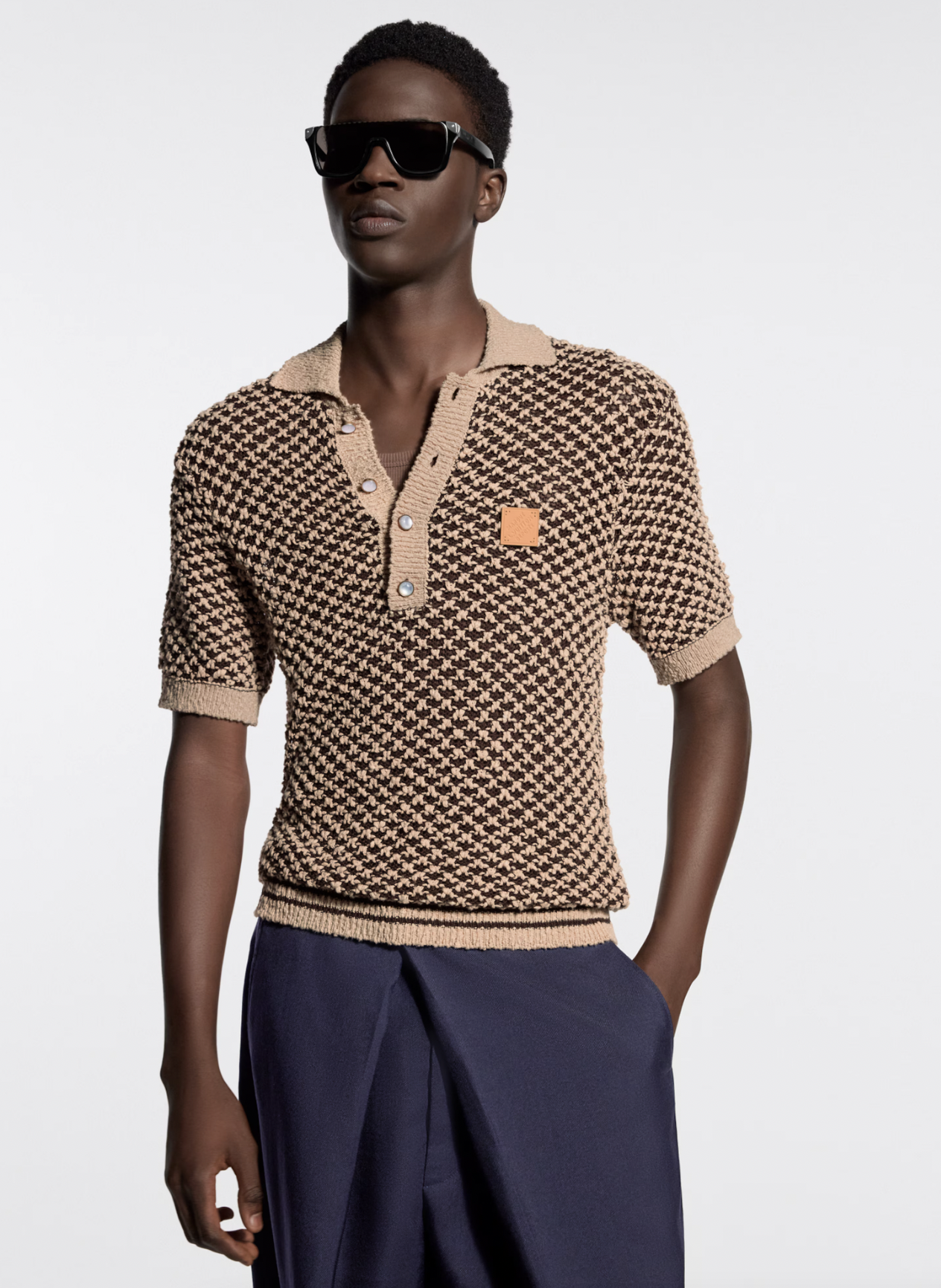
Both polos are over $1,000AUD - but which one exemplifies old money? and which one is more new money?

A)
Brunello Cucinelli Pique Polo Shirt
B)
Louis Vuitton Short-Sleeved Knitted Mesh Polo
If you said A) correct, you’re right. Brunello Cucinelli is practically the face of “old money”
So now that you’ve understood the concept, let’s apply it to food:
Eating simple, high quality ingredients,
Smaller portions and in moderation,
Home-cooking or classic recipes,
and finally, viewing food as nourishment, not overindulgence.
What are typical foods associated with this “Old money diet”?
Greek yoghurt with fruit, coffee, fish or chicken, dark chocolate, wine, oysters, olives.. the list goes on.
There are no official rules, but there are a lot of common themes… quality over quantity, seasonal and fresh foods, nothing ultra-processed.
The notion of eating slowly, around a table with family (also linked to longevity). In reality, it really just means eating like traditional European households do.
It doesn’t need to be 230 calories or less either.. you can indulge every once in a while. For instance an affogato with raw milk gelato and espresso…mmm..
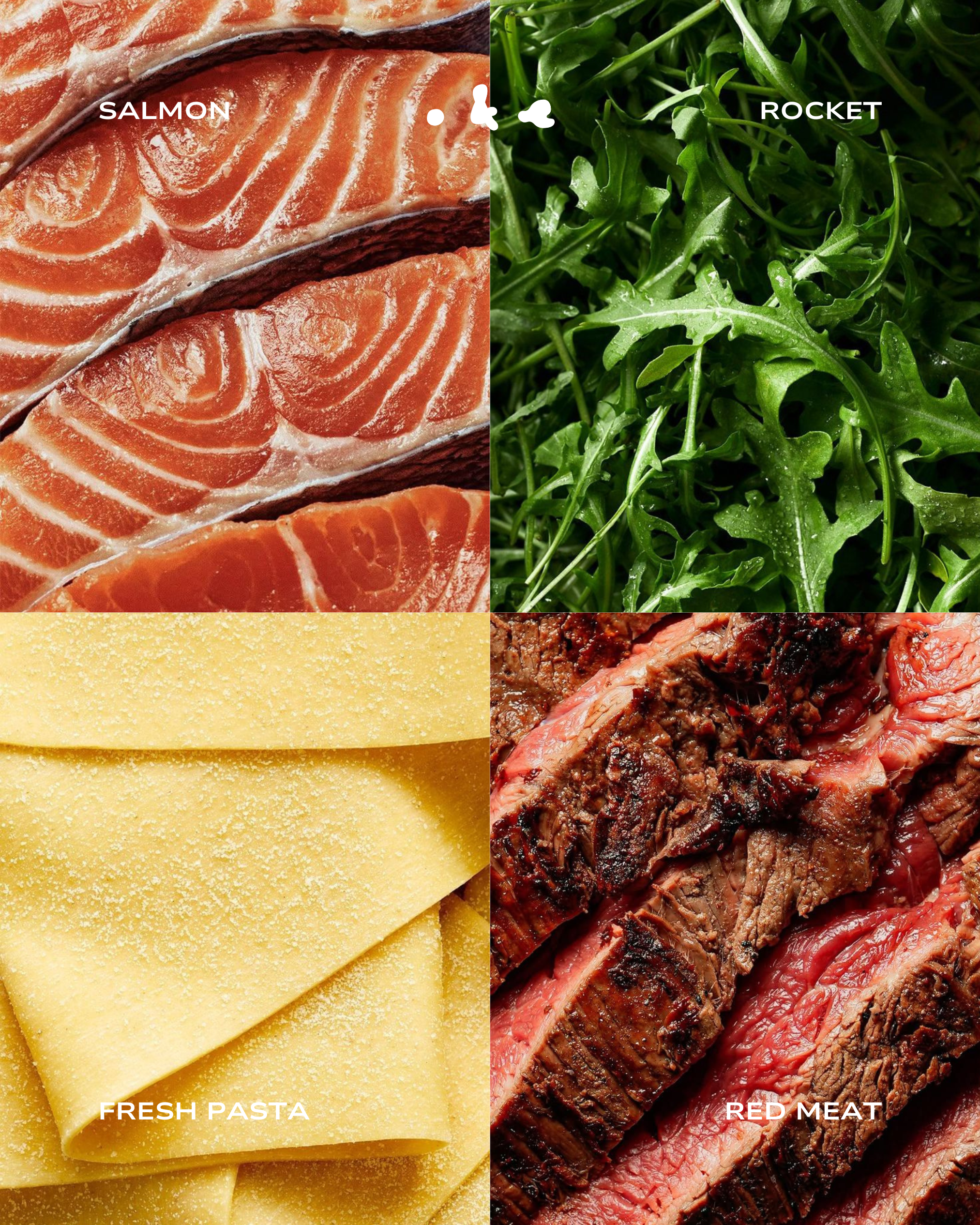
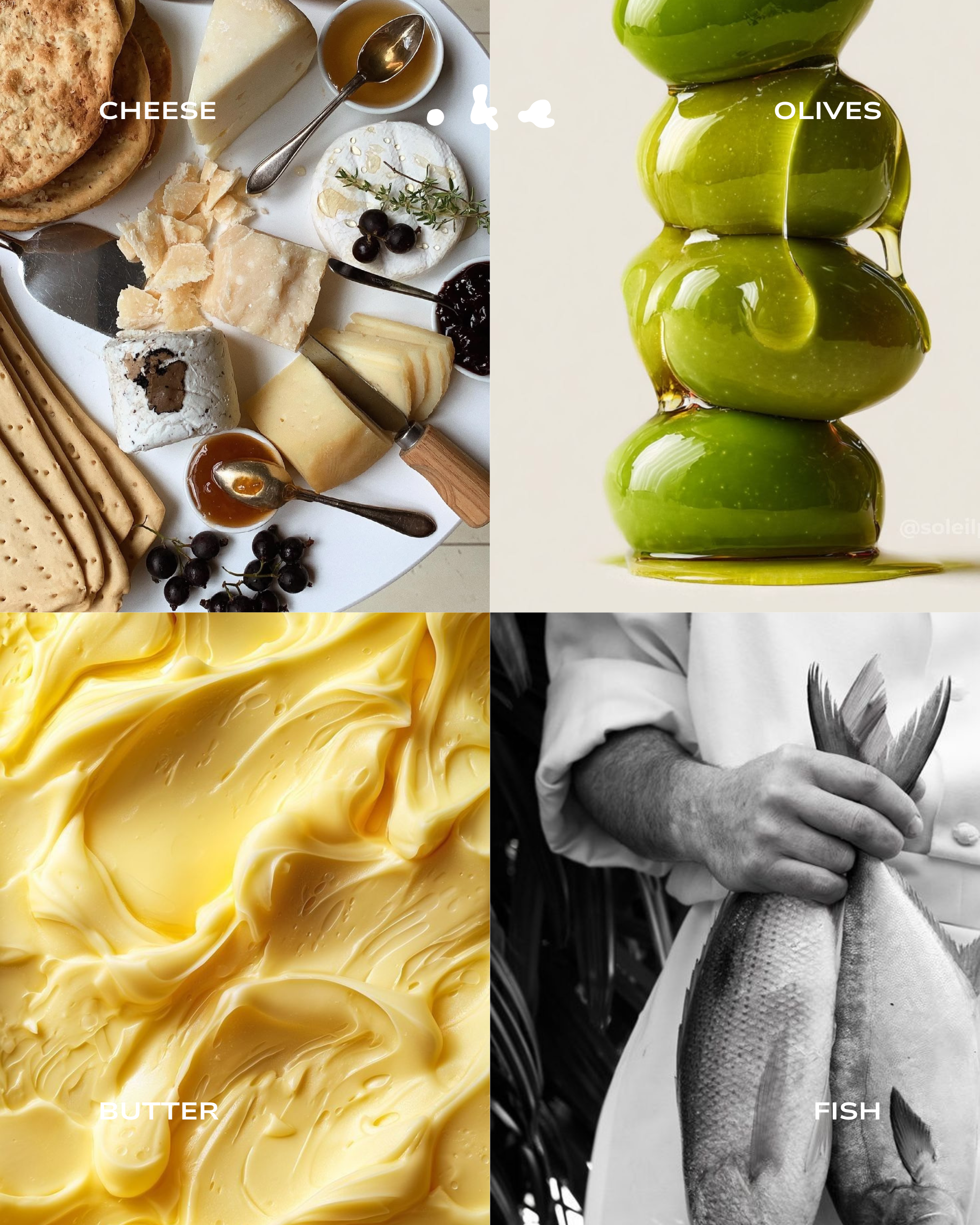
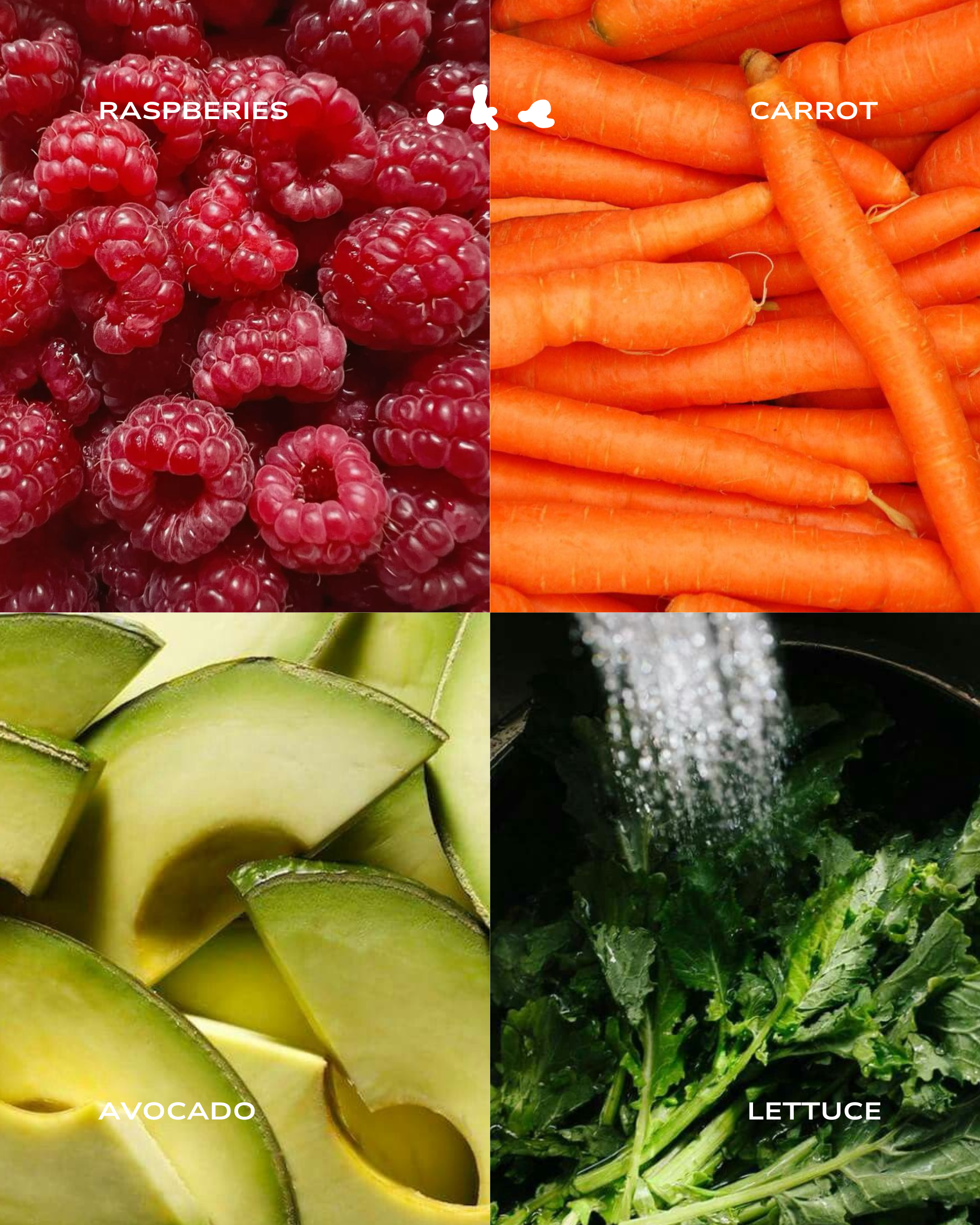
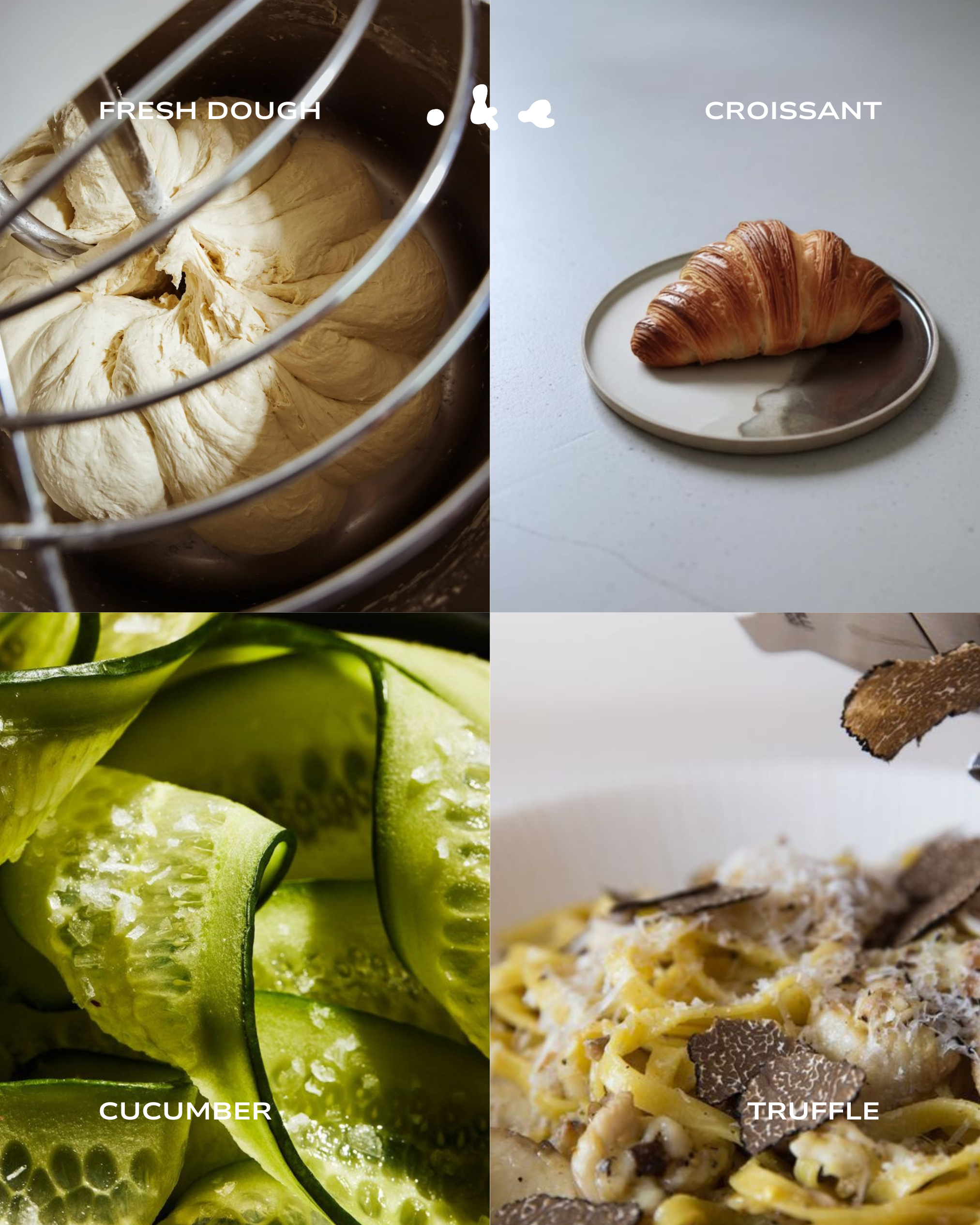
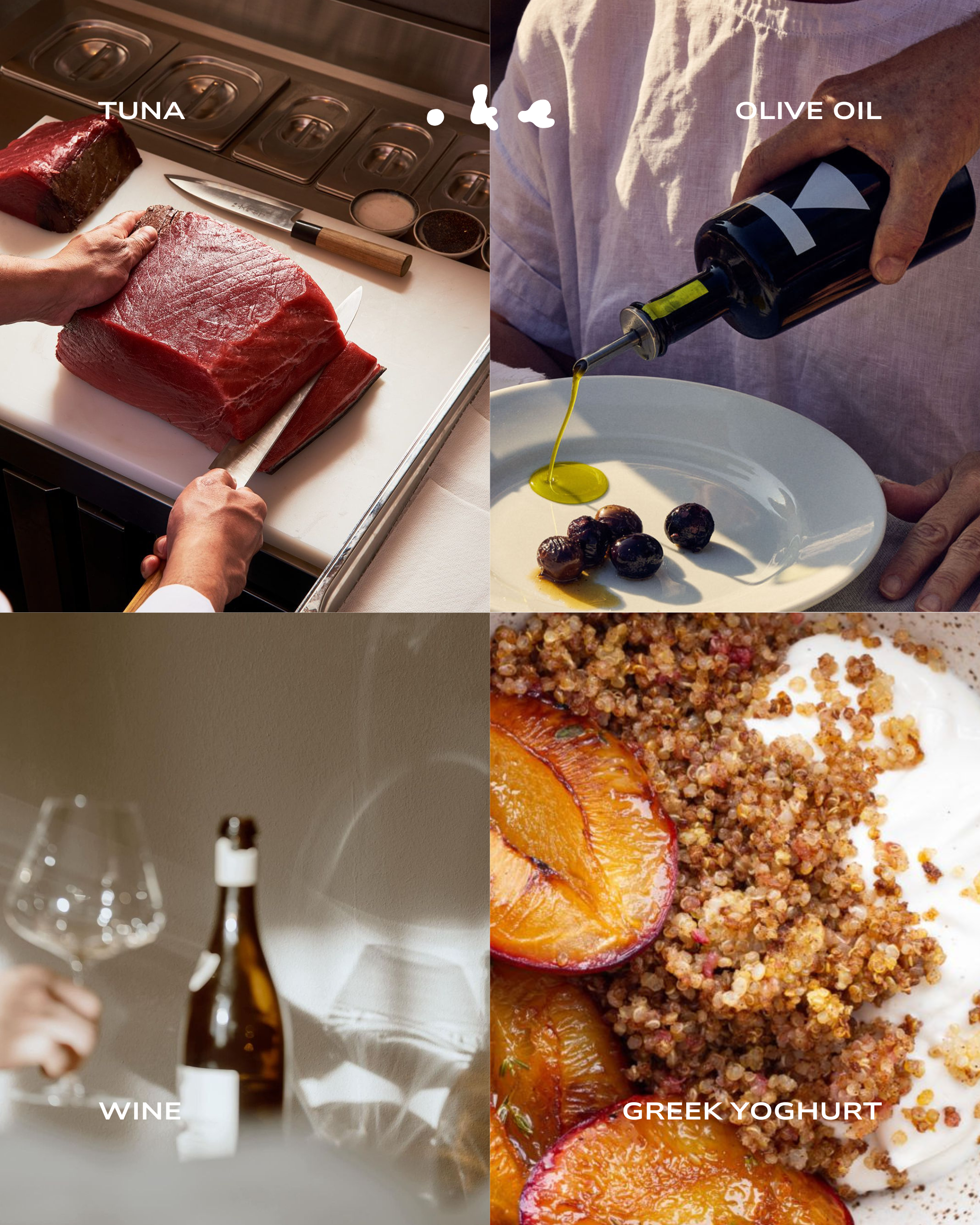
Simple food, seasonal ingredients, and long meals at the table — perhaps it’s not so hard being rich after all.